September 16, 2026
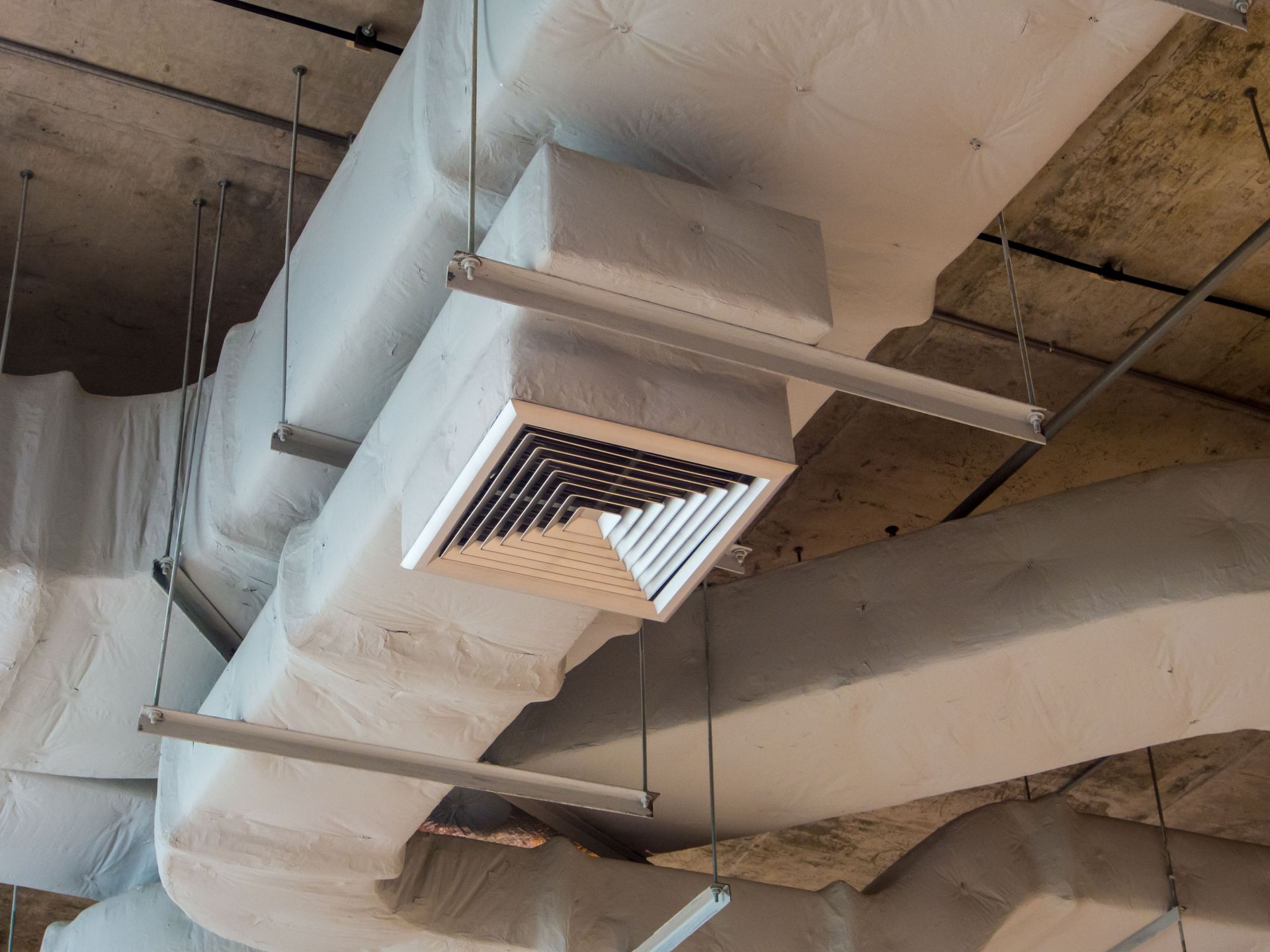
Operating a large-scale manufacturing plant, warehouse, or commercial production facility is an incredibly complex undertaking that requires constant vigilance. Facility managers must juggle supply chains, employee safety, machinery maintenance, and output quotas on a daily basis. With so many moving parts on the production floor, it is incredibly easy for overhead infrastructure to be ignored, particularly the extensive network of HVAC ductwork hidden above the ceiling or suspended high in the rafters. However, ignoring the respiratory system of your building can lead to disastrous consequences for both your workforce and your bottom line. Indoor air quality is directly tied to the cleanliness of your ventilation network. A comprehensive approach to industrial duct cleaning is often the missing link in a successful facility maintenance program. When massive volumes of air circulate through a commercial space every hour, they carry dust, chemical particulates, and debris that eventually settle inside the ductwork, silently creating a hazardous environment that impacts every facet of your operation.
According to the EPA, particles under 2.5 micrometers present the highest health risk. These microscopic pollutants are small enough to bypass the human body's natural respiratory defenses, traveling deeply into the lungs and even entering the bloodstream. Because commercial HVAC systems are highly efficient at moving large volumes of air, they become active delivery mechanisms for these dangerous microscopic threats if left uncleaned. To mitigate this profound risk to human health, investing in professional industrial duct cleaning becomes a critical, non-negotiable necessity for responsible facility management.
1. Unexplained Spikes in Employee Illnesses
One of the most immediate and alarming indicators that your facility's air quality is compromised is a sudden or sustained increase in employee health complaints. If your human resources department notices a spike in workers calling in sick, or if you observe employees frequently coughing, sneezing, or complaining of headaches, irritated eyes, and asthma flare-ups during their shifts, your ductwork is likely the culprit. This phenomenon is commonly known in occupational health circles as "Sick Building Syndrome." In a heavy-duty work environment, compromised indoor air quality exacerbates existing allergies and respiratory conditions, leading to diminished employee morale and a severe drop in overall productivity. When the air circulating through the workspace is loaded with accumulated allergens and chemical dust, the workforce suffers first. Implementing routine industrial duct cleaning can drastically reduce these airborne irritants, fostering a healthier, safer, and much more productive environment for your entire team.
2. Visible Dust on Manufacturing Equipment
In any active manufacturing or production environment, a certain amount of surface dust is to be expected. However, facility managers should pay close attention to the rate at which this dust accumulates. If your custodial staff is diligently cleaning and wiping down machinery, workstations, and inventory, only to find a thick layer of dust reappearing just a few hours later, the problem is not a lack of sweeping. Instead, it is a clear indication that your HVAC system is actively blowing particulate matter back into the workspace. When industrial ducts are heavily coated with debris, the forced air dislodges this dirt, creating a continuous cycle of overhead contamination. This rapid, visible accumulation of dust on surfaces is a massive red flag. It forces your cleaning staff to work overtime and creates an unappealing, potentially unsafe workspace. Addressing the root cause hidden inside your overhead ventilation architecture is the only permanent way to stop this frustrating cycle.
3. Sudden Increases i n Energy Expenditures
A sudden, unexplained spike in your facility's monthly utility bills is another major warning sign that your ventilation system is struggling. Industrial HVAC systems are designed to operate efficiently under specific airflow parameters. When the interior walls of your ductwork become coated with inches of thick dust, grease, and manufacturing byproducts, the functional diameter of the ducts is drastically reduced. This restriction forces your HVAC blowers and motors to work significantly harder to push the same volume of air through the facility. The increased strain requires more electricity, leading to skyrocketing energy expenditures that eat directly into your operational budget. Additionally, this constant overexertion dramatically shortens the lifespan of your expensive HVAC equipment. Specialized industrial duct cleaning removes these heavy blockages, allowing the air to flow freely once again. This reduces the mechanical strain on your system, restores baseline energy efficiency, and immediately lowers those inflated monthly utility costs.
4. Persistent Odors From Ventilation Systems
Human senses are often the best detectors of an unmaintained facility. If you walk onto the production floor or into the administrative offices and are greeted by a persistent, musty, or highly unpleasant odor, your ductwork needs immediate attention. In commercial environments, odors can stem from a variety of sources: trapped moisture leading to mold and mildew growth, accumulated chemical vapors from manufacturing processes, or decomposing organic matter. Because the HVAC system connects every room in the building, an odor originating in a damp, forgotten section of the ductwork will quickly be broadcasted throughout the entire facility. Air fresheners, localized exhaust fans, and open doors are merely temporary bandages that mask the symptom without curing the underlying disease. If the smell persists despite standard cleaning efforts on the ground level, the source is almost certainly overhead. Eliminating these persistent odors requires physically extracting the trapped contaminants from the inner linings of your ventilation system.
5. Noticeable Reductions in Facility Airflow
Proper airflow is the lifeblood of any large-scale industrial building. It regulates temperature, removes stagnant air, and maintains crucial positive or negative air pressures in specialized manufacturing zones. If you or your employees notice hot and cold spots throughout the building, or if certain vents seem to be barely pushing out any air at all, you have a severe blockage issue. You might also notice doors that are unusually difficult to open or that slam shut on their own due to severe pressure imbalances caused by restricted ducts. When debris accumulates to the point of choking off the air supply, the entire climate control system becomes unbalanced and erratic. A thorough round of industrial duct cleaning will restore the necessary volume of air moving through the system. This ensures that temperatures remain stable, specialized pressure zones function correctly, and the heavy-duty blowers can operate without fighting against localized blockages.
6. Frequent Breakdowns in Sensitive Machinery
Industrial machinery, robotics, and sensitive manufacturing equipment require optimal environmental conditions to function properly. When your facility's air is loaded with particulate matter due to dirty ducts, that debris does not just settle on the floor; it gets sucked directly into the intake vents of your expensive machinery. Dust and grime can quickly coat sensitive circuit boards, clog delicate cooling fans, and insulate heat-generating components, leading to frequent overheating and sudden mechanical failures. If your maintenance team is constantly repairing machinery that seems to be inexplicably failing, choking on dust, or running too hot, the building's air quality is actively destroying your physical investments. The cost of replacing a single piece of heavy machinery or suffering through days of unexpected production downtime far outweighs the cost of preventative facility maintenance. Cleaning your facility's air pathways is an essential step in protecting your operational assets.
7. Unexpected Evidence of Pest Infestations
One of the most unsettling signs that your facility requires immediate attention is the sudden appearance of insects, rodents, or birds originating from the ceiling. Large industrial duct systems provide a dark, isolated, and climate-controlled environment that is incredibly attractive to vermin. Pests can easily enter through compromised exterior vents or aging roof units, building extensive nests deep within the ductwork. Once established, they introduce a host of new biological hazards, including droppings, fur, feathers, and decaying matter, all of which are subsequently blown directly into your facility's breathing air. If you hear scratching noises from the ceiling, find unusual droppings near vents, or notice an uptick in pest sightings, your ducts have likely become a thoroughfare for unwanted guests. Proactive industrial duct cleaning eliminates these hazardous nesting grounds, physically removing the biological contaminants and giving your maintenance team a clean slate to properly seal the system against future pest incursions.
Do not wait until poor air quality shuts down your production line or severely sickens your staff. Take control of your facility's environment and schedule an inspection with Duct Response today.